Archives
- 2026-07
- 2026-06
- 2026-05
- 2026-04
- 2026-03
- 2026-02
- 2026-01
- 2025-12
- 2025-11
- 2025-10
- 2025-09
- 2025-03
- 2025-02
- 2025-01
- 2024-12
- 2024-11
- 2024-10
- 2024-09
- 2024-08
- 2024-07
- 2024-06
- 2024-05
- 2024-04
- 2024-03
- 2024-02
- 2024-01
- 2023-12
- 2023-11
- 2023-10
- 2023-09
- 2023-08
- 2023-07
- 2023-06
- 2023-05
- 2023-04
- 2023-03
- 2023-02
- 2023-01
- 2022-12
- 2022-11
- 2022-10
- 2022-09
- 2022-08
- 2022-07
- 2022-06
- 2022-05
- 2022-04
- 2022-03
- 2022-02
- 2022-01
- 2021-12
- 2021-11
- 2021-10
- 2021-09
- 2021-08
- 2021-07
- 2021-06
- 2021-05
- 2021-04
- 2021-03
- 2021-02
- 2021-01
- 2020-12
- 2020-11
- 2020-10
- 2020-09
- 2020-08
- 2020-07
- 2020-06
- 2020-05
- 2020-04
- 2020-03
- 2020-02
- 2020-01
- 2019-12
- 2019-11
- 2019-10
- 2019-09
- 2019-08
- 2019-07
- 2019-06
- 2019-05
- 2019-04
- 2018-11
- 2018-10
- 2018-07
-
The H R antagonist JNJ
2022-02-18
The H3R antagonist JNJ-17216498, developed by Johnson & Johnson, has entered clinical trial studies, but no information regarding its structure has been publicized to date. A phase II study of JNJ-17216498 monotherapy has been completed for patients with narcolepsy, but the results are not publicall
-
Pharmacologic approaches of inhibiting GSNOR
2022-02-17
Pharmacologic approaches of inhibiting GSNOR activity have reached the point of clinical development with the recent announcement of the first cystic fibrosis patients treated with the first-in-class GSNOR inhibitor, N6022 (N30 Pharmaceuticals). Clinical development is ongoing for other indications
-
Our study has strengths and limitations
2022-02-17
Our study has strengths and limitations. We believe we are the 1st to report a novel model of secondary hypogonadism. Several animal models for hypogonadotropic hypogonadism (kisspeptin and the kisspeptin receptor knockout) exist but we are unaware of animal models of secondary hypogonadism with dif
-
To facilitate the development of novel diagnostic and therap
2022-02-17
To facilitate the development of novel diagnostic and therapeutic interventions in NASH, a plethora of animal models have been used to identify molecular targets that are involved in the onset and progression of NASH. In view of recent advances in the understanding of the pathogenesis of NASH and pr
-
br Results and discussion br Conclusions br Introduction The
2022-02-17
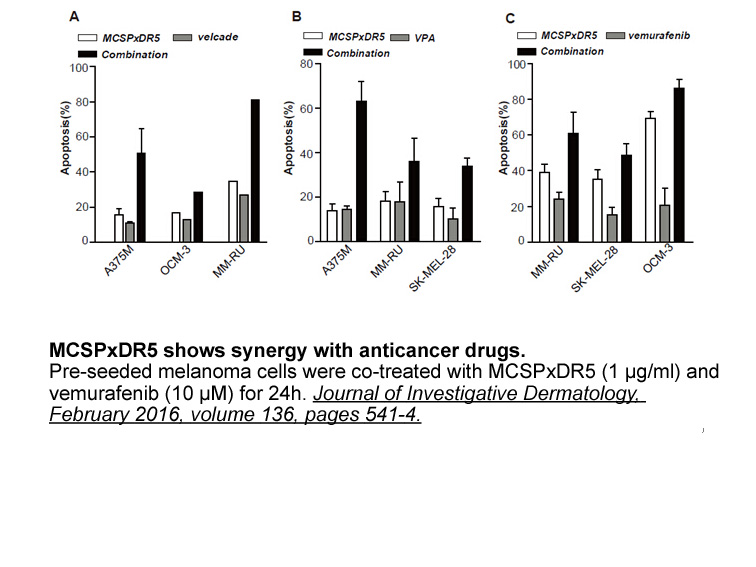
Results and discussion Conclusions Introduction There is no effective treatment for HIV-associated neurocognitive disorder (HAND) which affects about half of the over 36 million people infected (Saylor et al., 2016). HIV can remain in the AP26113 during combination antiretroviral therapy (
-
We found that most antigenic regions in GlyT C are
2022-02-17
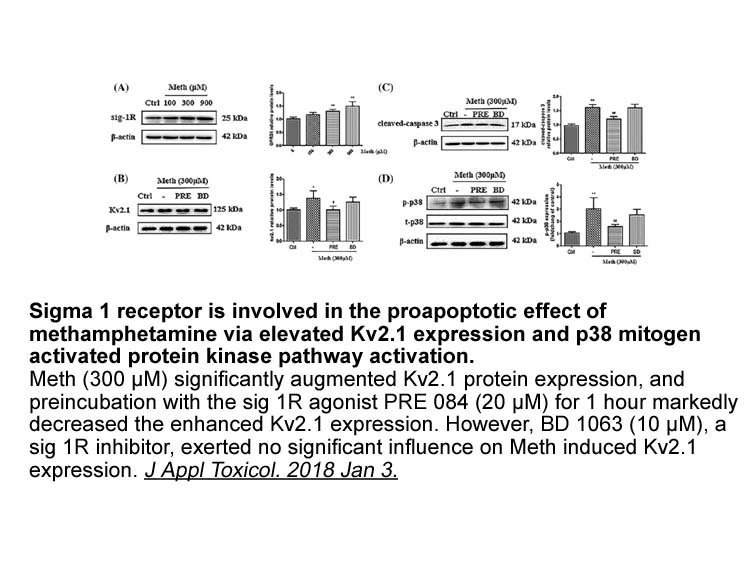
We found that most antigenic regions in GlyT1C are located in the second half of the GlyT1C-terminus, which is in concert with previously published results (Olivares et al., 1994). We however further show that in contrast to epitopes 554–625 which are affected by calcium only minimally, the epitopes
-
When testing the novel DA CH peptide
2022-02-17
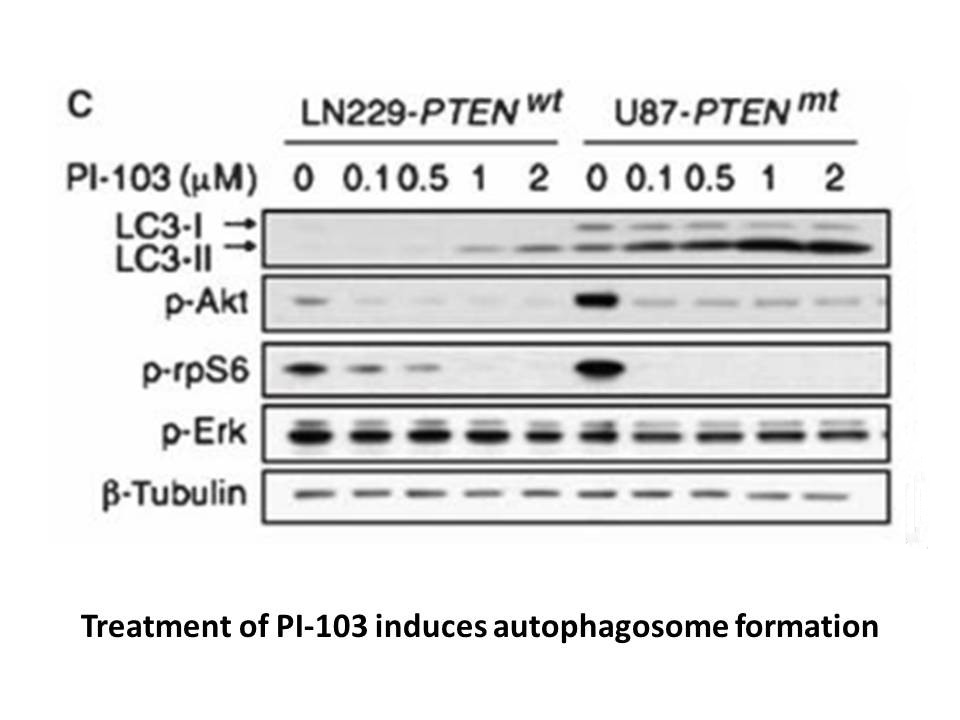
When testing the novel DA-CH3 peptide, it was found that it is superior to liraglutide in the MPTP mouse model of PD at a dose of 25 nmol/kg ip once-daily for 7 days. In the Rotarod and grip strength assessment, DA-CH3 was superior to liraglutide in reversing the MPTP–induced motor impairment. Dopam
-
THZ531 In order to test whether the enhanced hyperpolarizati
2022-02-17
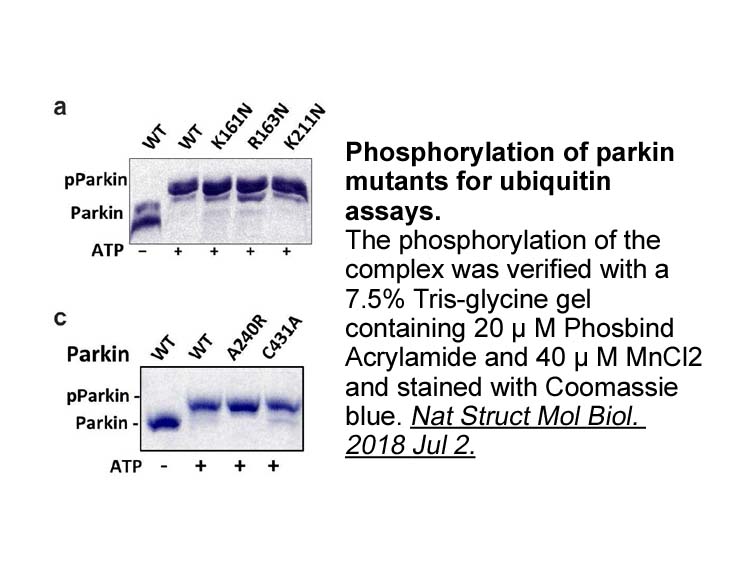
In order to test whether the enhanced hyperpolarization in the presence of increasing amounts of extracellular Ca2+ could be due to an ionophore effect of NS309, red cell uptake of 45Ca and partition of 45Ca into a water/n-octanol phase +/−100 μM NS309 were determined. However, no indication of iono
-
Bafetinib The first GSM was identified from
2022-02-17

The first GSM was identified from the discovery of non-steroidal anti-inflammatory drugs (NSAIDs). An amyloid reducing GSM that also suppresses inflammation is desirable. Inflammatory response is an invariable characteristic of AD pathogenesis, in part triggered by Aβ. During AD onset and progressio
-
br Conclusions br Acknowledgments This study
2022-02-17
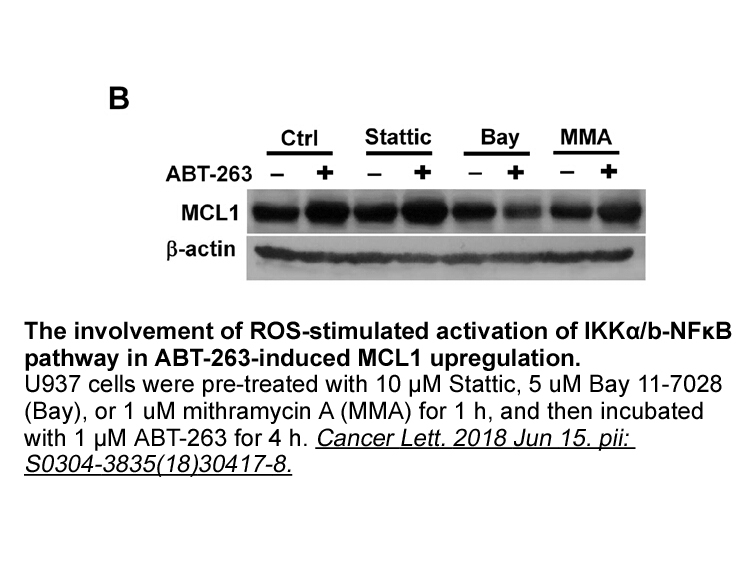
Conclusions Acknowledgments This study was supported by funds from the National Natural Science Foundation of China (NSFC 31360245, 31460258) and the Applied Basic Research Foundation of Yunnan Province of China (2011FZ111). Introduction Acute myocardial infarction is the undoubted cause o
-
Due to the presence of all FGFRs in
2022-02-16
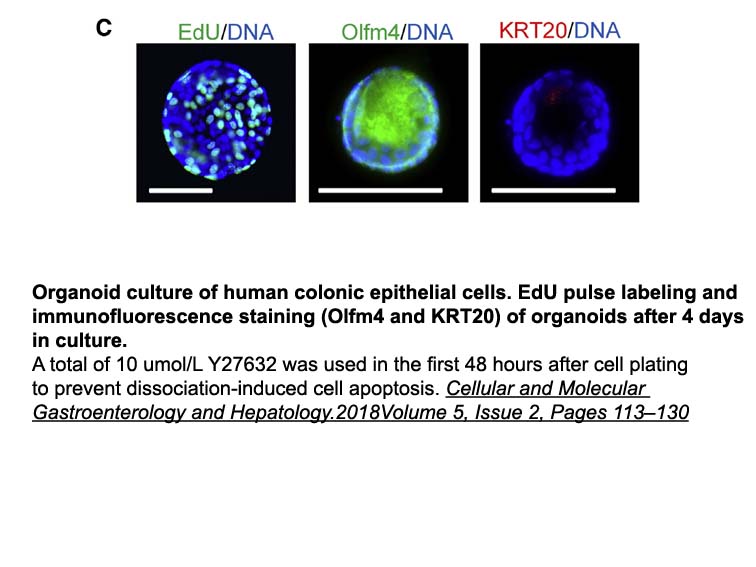
Due to the presence of all FGFRs in the epithelium, there are several FGFs ligands that could be binding to these FGF receptors, namely FGFs 1–4, 8–10, 16 and 18–20. By evaluating the known roles of FGFs in epithelial-mesenchymal interactions and in bone development, this list can be reduced. For ex
-
br Declaration of interest br Acknowledgments br This work
2022-02-16
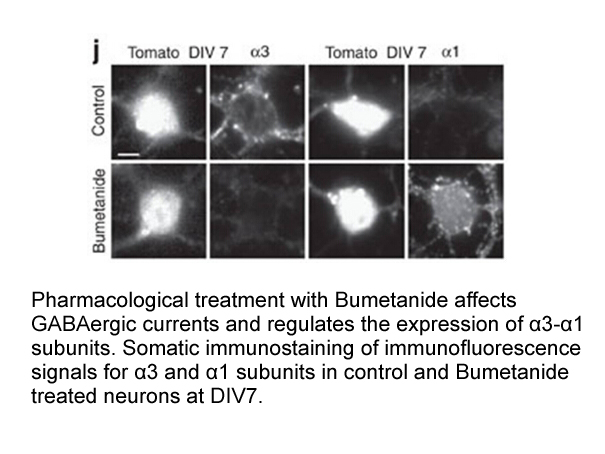
Declaration of interest Acknowledgments This work was supported by grants from the Polish National Science Centre (PRELUDIUM grant no. 2013/11/N/NZ5/00270) and the European Commission FP7 Project Beta-JUDO (grant number 279 153), European Union EIT Health project DeTecT2D, Swedish Diabetes A
-
br Methods br Results We
2022-02-16
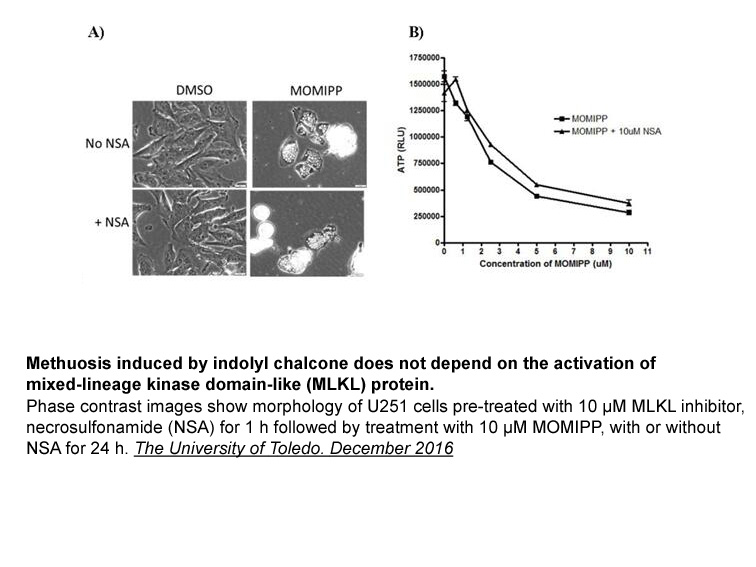
Methods Results We have previously used ß-hex assays in HeLa inhibitor of catalase to study the role of lysosomal exocytosis on transition metal clearance and the effects of transition metals on lysosomal exocytosis [26], [29], [40]. ß-hex is a lysosomal enzyme, the delivery of which to the e
-
Posttraining memory facilitation by histamine infused into t
2022-02-16
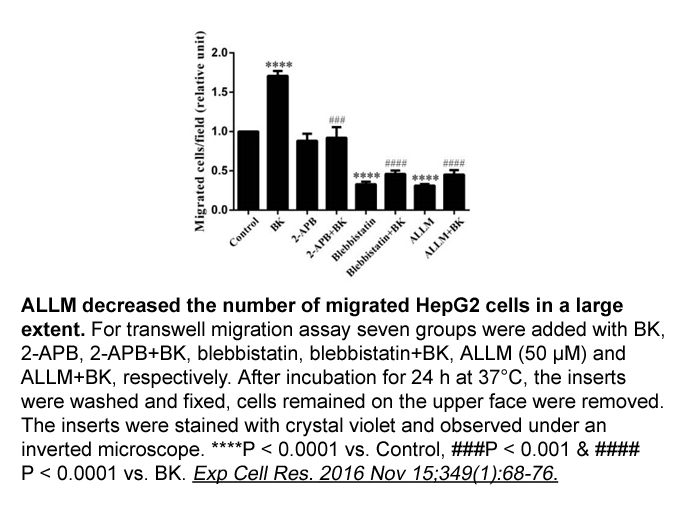
Posttraining memory facilitation by histamine infused into the dorsal hippocampus was also observed in two more recently described and very important non-aversive forms of memory: object recognition (da Silveira, Furini, Benetti, Monteiro, & Izquierdo, 2013) and social recognition (Garrido Zinn et a
-
br Chemistry The methylsulfanyl dihydro H thieno g isothiadi
2022-02-16

Chemistry The 8-methylsulfanyl-4,5-dihydro-1H-thieno[3,4-g]isothiadizaole scaffold was synthesized from commercially available 1,3-dioxolane-2,1′-cyclohexane-4-one 17 (Scheme 1). The isothiadizaole ring was formed with SOCl2 from N-carboxamide hydrazine imine 19, which was prepared from 17 and hy
17081 records 546/1139 page Previous Next First page 上5页 546547548549550 下5页 Last page