Archives
- 2026-10
- 2026-09
- 2026-08
- 2026-07
- 2026-06
- 2026-05
- 2026-04
- 2026-03
- 2026-02
- 2026-01
- 2025-12
- 2025-11
- 2025-10
- 2025-09
- 2025-03
- 2025-02
- 2025-01
- 2024-12
- 2024-11
- 2024-10
- 2024-09
- 2024-08
- 2024-07
- 2024-06
- 2024-05
- 2024-04
- 2024-03
- 2024-02
- 2024-01
- 2023-12
- 2023-11
- 2023-10
- 2023-09
- 2023-08
- 2023-07
- 2023-06
- 2023-05
- 2023-04
- 2023-03
- 2023-02
- 2023-01
- 2022-12
- 2022-11
- 2022-10
- 2022-09
- 2022-08
- 2022-07
- 2022-06
- 2022-05
- 2022-04
- 2022-03
- 2022-02
- 2022-01
br Materials and methods Patients charts
2022-01-24
Materials and methods Patients’ charts were reviewed retrospectively, and 165 consecutive patients (82 with cancer and 83 without cancer) who either started edoxaban (Lixiana®, Daiichi-Sankyo, Tokyo, Japan) therapy for the treatment of VTE or were switched from other oral anticoagulants to edoxab
Nivolumab At the molecular level AZ scaffold proteins includ
2022-01-24
At the molecular level AZ scaffold proteins including piccolo and bassoon have been shown to directly or indirectly associate with endocytic and actin-binding proteins such as ABP1 (Fenster et al., 2003), profilin, and GIT (Podufall et al., 2014) (Fig. 2B). ABP1 and profilin, via regulating F-actin,
br Introduction The role of histamine in allergic responses
2022-01-24
Introduction The role of histamine in allergic responses, anaphylaxis, and gastric KT203 mg secretion has been well described in both human and veterinary medicine. New roles for histamine and its receptors, however, have been elucidated over the last two decades (Smuda and Bryce, 2011), and nov
br Hedgehog pathway in embryonic development It is now
2022-01-24
Hedgehog pathway in embryonic development It is now well established that the Hedgehog pathway solves a role as one of the essential signaling mechanisms for the modulation of cellular growth and differentiation during embryogenesis. Operating through time- and position-dependent mechanisms, this
br Hedgehog in chronic liver
2022-01-24
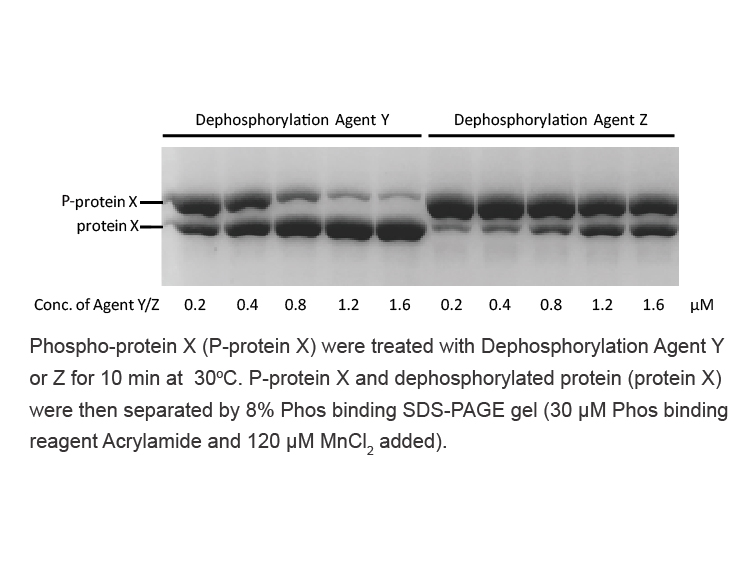
Hedgehog in chronic liver disease The liver responds to different chronic insults with a highly conserved wound healing response during which different cell types must communicate to reconstruct fully functional, healthy liver parenchyma. The inter-cellular dialogue that orchestrates effective li
Lastly certain populations of immune cells may be Hh respons
2022-01-24
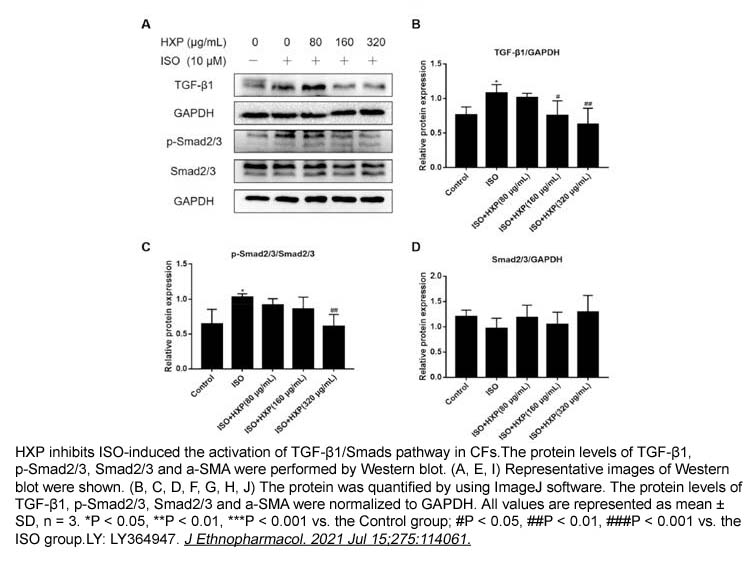
Lastly, certain populations of immune cells may be Hh responsive. Although PC have not been demonstrated in healthy liver-resident macrophages or lymphocytes, macrophages in injured livers have been shown to produce Hh ligands[58], [100], [101] and treating liver-derived macrophages with neutralisin
br S proteins and HBV induced autophagy
2022-01-24

S proteins and HBV-induced autophagy HBV surface proteins (S proteins or HBs) are reported to trigger HBV-induced autophagy by inducing ER stress and UPR in host AMG-900 [22]. HBx and HBV-induced autophagy HBx is a multifunctional viral protein. It can regulate virus replication, promote cell
To further investigate the molecular mechanisms
2022-01-21
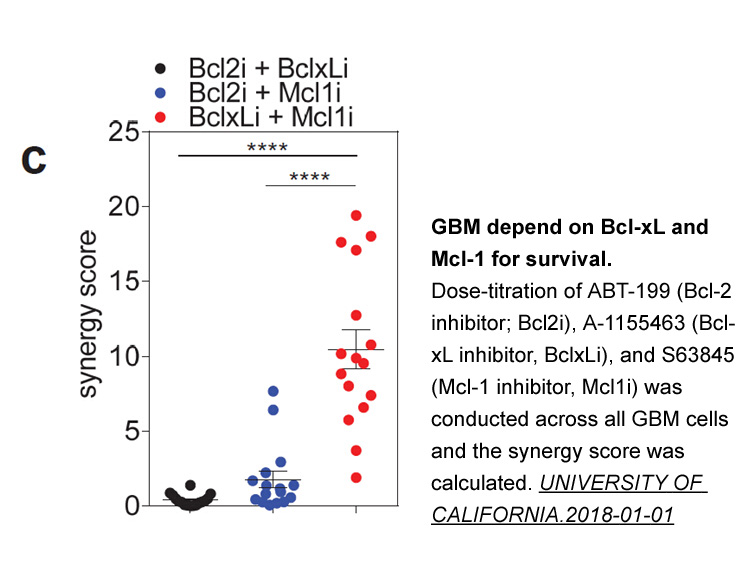
To further investigate the molecular mechanisms that underlie glycine's β-cell protective effects through its antioxidative activity in diabetes, we used a H2O2/high glucose-induced apoptosis cell model. Similar effects on ROS generation of high glucose and H2O2 support the in vivo results, suggesti
The mechanisms underlying the inhibitory effects of
2022-01-21
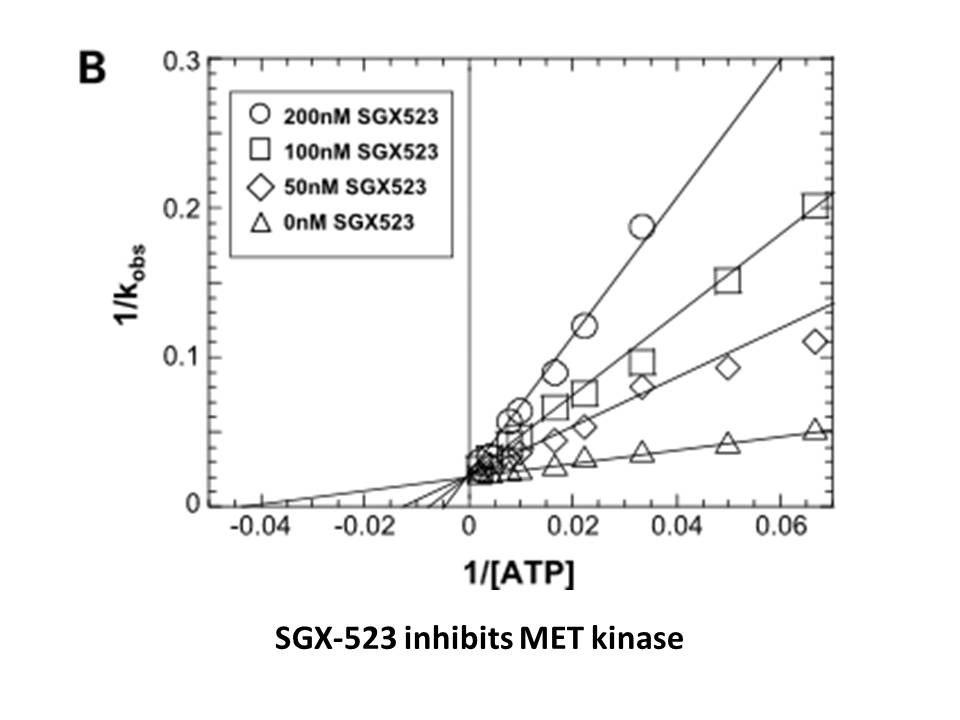
The mechanisms underlying the inhibitory effects of n-3 FAs on neoplasia have not been completely elucidated. Until recently, the emphasis has been on the ability of n-3 FAs to compete for the pathways that lead to the synthesis of pro-inflammatory eicosanoids from arachidonic acid, an n-6 FA, there
The G protein coupled receptor GPR also called FFAR responds
2022-01-21
The G protein-coupled receptor, GPR40 (also called FFAR1) responds to medium and long chain unsaturated fatty acids, resulting in increase of insulin secretion during elevated glucose levels. The glucose dependency of insulin secretion makes this receptor a very good target for developing therapies
m-Chlorophenylbiguanide hydrochloride The typical pharmacoph
2022-01-21
The typical pharmacophore for GPR40 agonists contains four parts: head (acid moiety), central (phenyl ring), linker and tail (aromatic carbocyclic or heterocyclic ring) [20]. On the other hand, the chemical features that are required for the PPARγ agonists include hydrogen bond donors and acceptors
This profound cell type specificity of
2022-01-21
This profound cell-type specificity of G9a/GLP complex modulation of neuronal plasticity is accentuated by studies employing genetic ablation of G9a in dopamine 1 receptor (Drd1)- and dopamine 2 receptor (Drd2)-expressing medium spiny neurons (MSNs) in the nucleus accumbens (NAc). Conditional G9a kn
The mast cell has long
2022-01-21
The mast cell has long been recognized as central to the mediation of allergic responses not least because it is the principal repository of histamine in the body. Following activation by allergens, the mast cell can release histamine as well as generate a host of additional mediators such as cystei
Tumor specific CD cytolytic T lymphocytes CTLs
2022-01-21
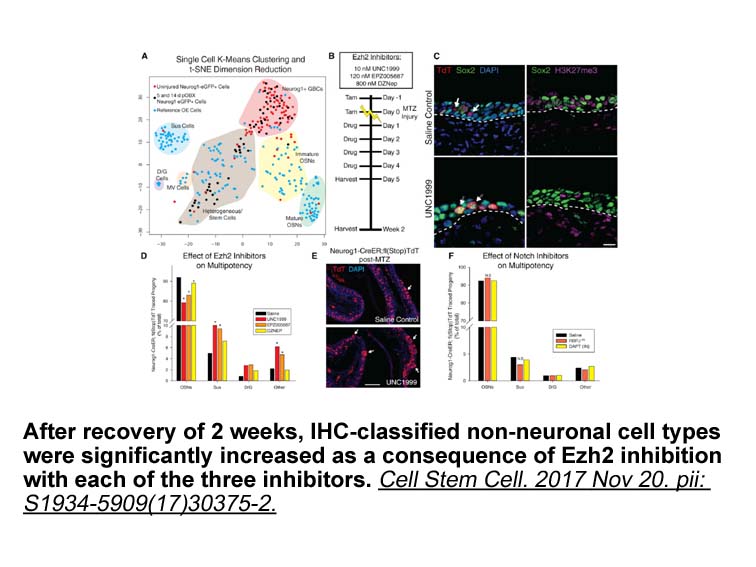
Tumor-specific CD8+ cytolytic T lymphocytes (CTLs) recognizing tumor antigenic peptide/major histocompatibility complexes-I (pMHC-I) presented on tumor cells play an important role in antitumor immunity [12]. However, immune tolerance including central (natural) or peripheral (acquired) tolerance be
br HO regulation and physiology The catabolism of cellular h
2022-01-21
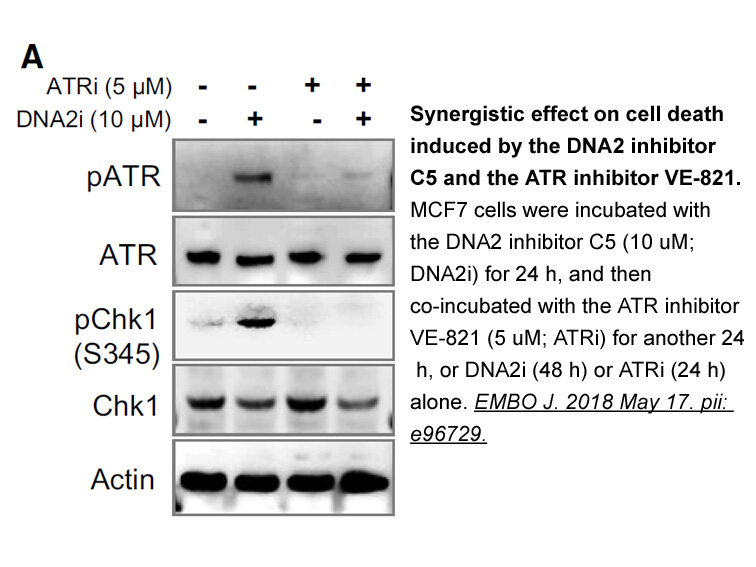
HO-1: regulation and physiology The catabolism of cellular heme in humans and other species is mediated by the heme oxygenase (HO) family of enzymes (E.C. 1:14:99:3; heme-hydrogen donor:oxygen oxidoreductase). The HOs localize primarily to the endoplasmic reticulum (ER) where they serve, in conce
8726 records 569/582 page Previous Next First page 上5页 566567568569570 下5页 Last page